
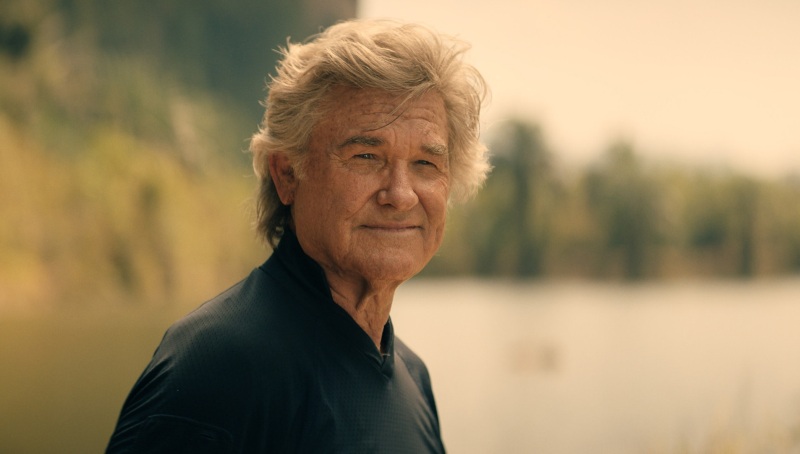
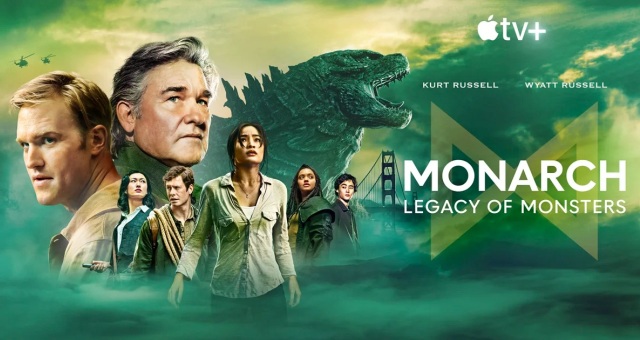
Hello, fellow Monarch: Legacy of Monsters season two fans!
It has been an incredible season, and while I am sad to see this season end, I am hopeful we will get a Season three and maybe even beyond. What makes this Monster Verse so compelling is the many directions the story can still take, from time travel and Axis Mundi to the Titans themselves, and to the bigger question of what it really means to be human or a monster when those lines begin to blur.
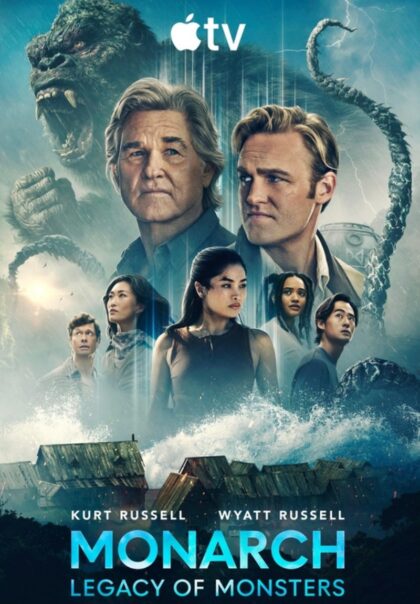
The creators of this series, Matt Fraction and Chris Black, have stayed true to the Titans’ essential nature. They do not try to make them overly sympathetic or turn them into something they are not. At the same time, as with many Godzilla stories, the human element matters, and this episode leans into it more than any other this season. Toho Studios Co. has been part of this monster verse since the beginning, and I am happy it will continue to support it.
The Monarch universe has introduced us to many remarkable things, from time travel to titans to extraordinary circumstances. It is one of the best science fiction shows I have seen in a long time. It brings together genres that blend well. It gives us Godzilla fans more of our favorite monster. I also appreciate that the writers use flashbacks to advance the story. The flashbacks are always insightful and help the viewer better understand both the human and monster sides of the story.
In some ways, this episode feels like it takes a page from Godzilla Minus One, the Academy Award-winning movie by Takashi Yamazaki, by emphasizing the human side of the story—compassion, grief, sorrow, and the weight of the past. The characters are brought to life by an outstanding cast: Anna Sawai (Cate Randa), Takehiro Hira (Hiroshi Randa), Mari Yamamoto (Dr. Keiko Miura), Kurt Russell (Lee Shaw), Wyatt Russell (Young Lee Shaw), Ren Watabe (Kentaro Randa), and Joe Tippett (Tim). These actors convey compassion and empathy, as well as the best and worst of humanity, in this monster verse.
Without spoiling too much, this episode delivers action and drama while making it easier to understand the Titans’ perspective and the forces driving the humans around them. It also reflects the world we live in now, where money, greed, power, and domination shape far too many decisions. We should focus more on understanding Monarch’s world than on trying to control and destroy it. Balance and harmony are common themes in science fiction; this series is no exception.
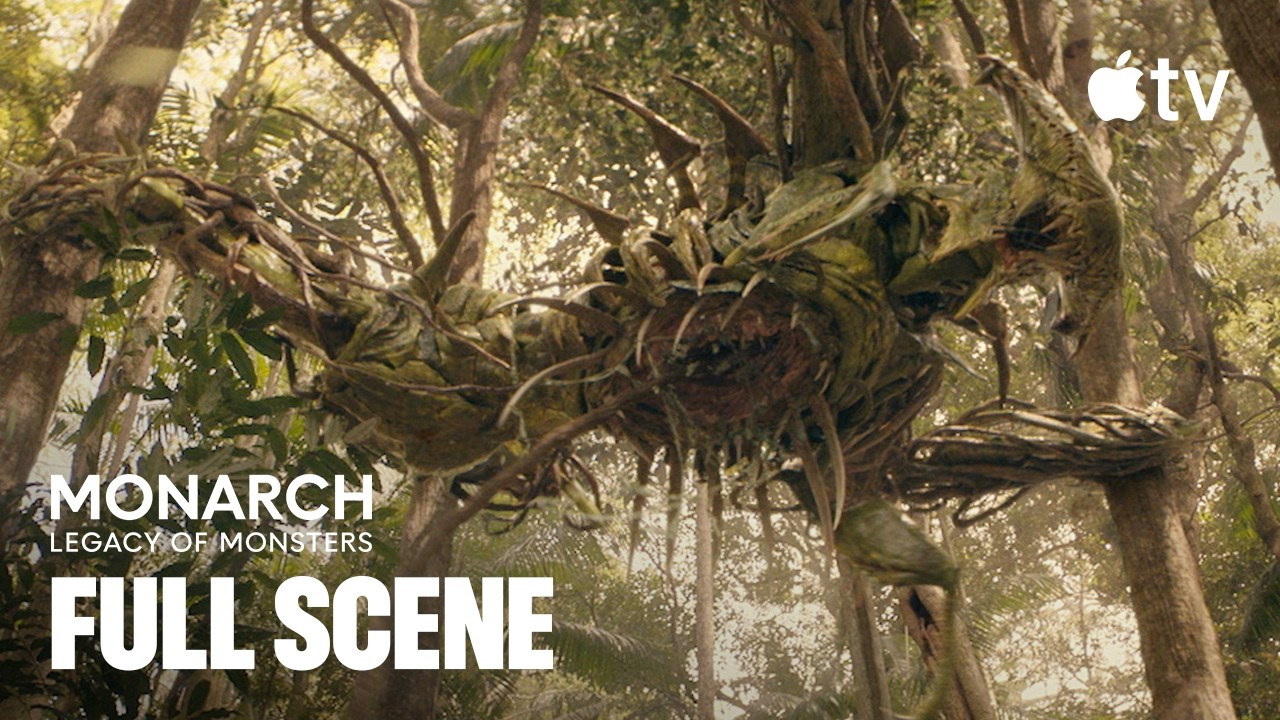
Monarch Season Two Episode Ten – Where We Belong:
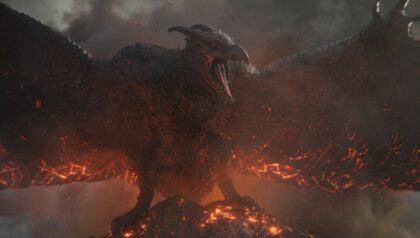
The episode opens with Lee and Keiko uncovering the rift Bill Randa (Anders Holm) had previously explored. This discovery explains the Titans’ movements and helps Keiko realize that Bill did not abandon Hiroshi; instead, he was working to keep their family united and searching for her in Axis Mundi. The episode further explores the intriguing world of Skull Island, home to some of the most inventive creatures in the Monster Verse. Where do we belong? Is the answer in Axis Mundi or in the current timeline?
Cate (Anna Sawai) confronts Kentaro (Ren Watabe) about Isabel’s (Amber Midthunder) ulterior motives, but he remains stubborn, insisting this is what he wants. Cate pushes back, reminding him that Isabel is chasing money and power rather than the ideals Hiroshi (Takehiro Hira), Keiko (Mari Yamamoto), or Monarch originally stood for. The episode keeps raising the question of whether the past can be changed without consequences.
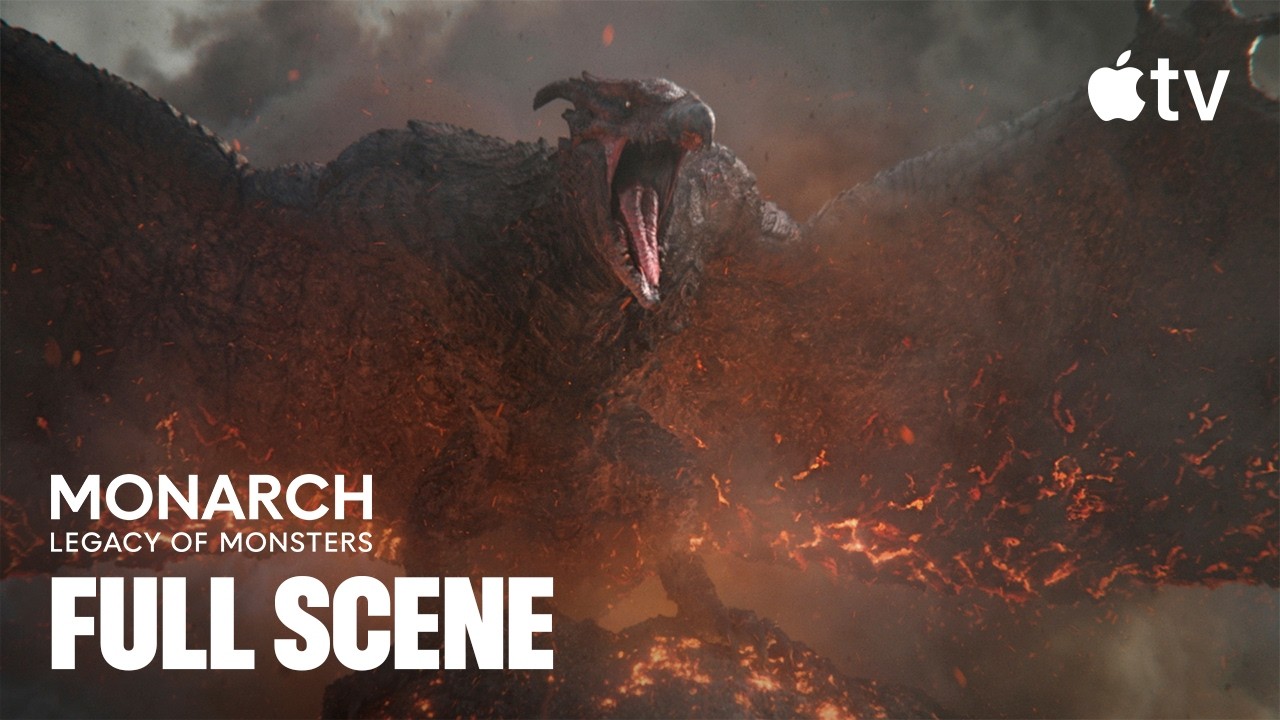

A major turning point occurs when Keiko tells Lee (Kurt Russell) that Cate has a connection to Titan X—that she heard the Titan’s song or call and that Keiko recorded it. For Keiko, this is crucial scientific evidence that the Titans are not merely monstrous forces. They may have language, communication, and even a kind of society, which could change how the team—and the audience—understand them.
One of the strongest themes in this episode is choice, especially the relationship among past choices, present choices, and the desire to undo pain. Bringing Hiroshi back would bring relief to Cate, Kentaro, and Keiko, but the episode keeps asking what else would change. It uses that possibility to explore consequences, the butterfly effect, and whether changing the past truly heals anything. This is best seen in the scene where Lee tells Keiko that, because of Doctor Suzuki’s (Leo Ashizawa) Titan Phone, Lee was able to connect with his younger self when Young Lee (Wyatt Russell) was in Axis Mundi with Keiko. That decision changed the situation between Keiko and Lee in the present timeline.
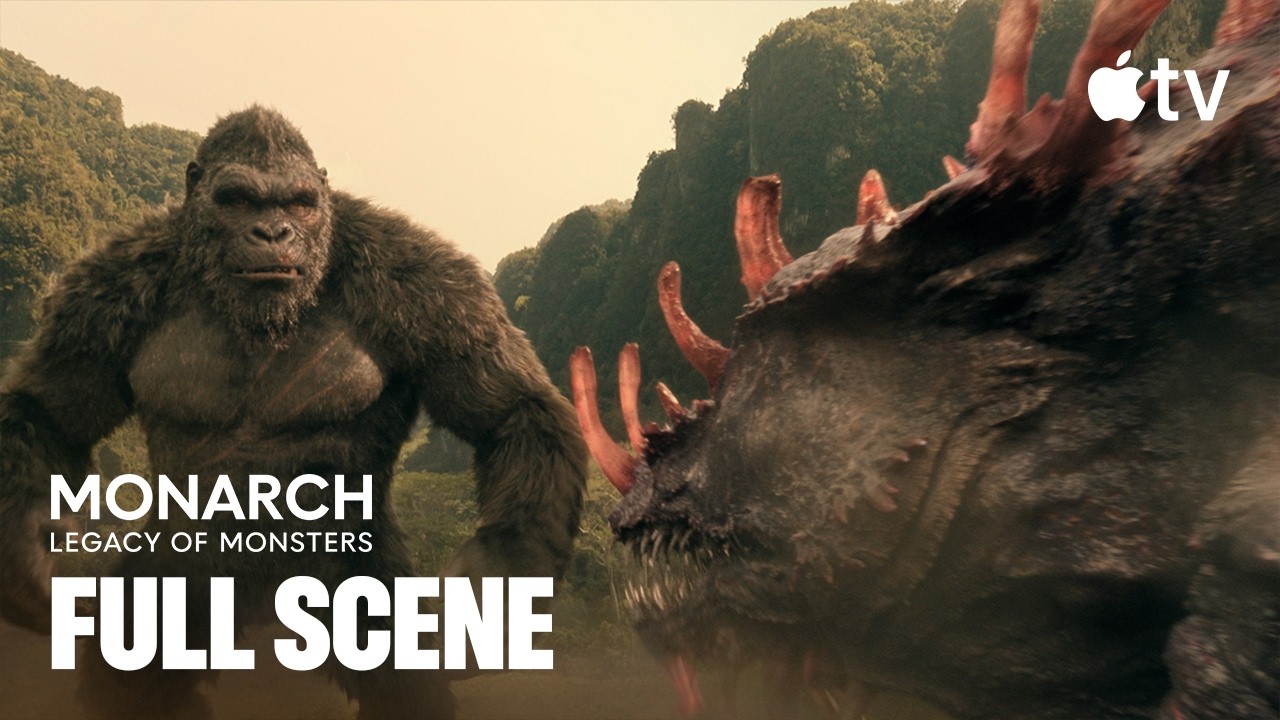
The episode also highlights corporate greed and the arrogance of believing nature can be controlled. One of the most compelling ideas in this series is that humans assume superiority even when confronted with forces far beyond their control. If Kong had been killed by Titan X, Apex would have had total control over Skull Island and Axis Mundi. Through Titan X—especially when she is pushed to protect her egg and ensure her survival—the episode shows how disastrous it is when power and greed disrupt the natural order. In the end, all she wants is to return to where she belongs and keep her egg intact and safe.
That leads to the episode’s central question: who are the real monsters in this universe? Is it Kong, Titan X, and the creatures of Skull Island, or is it the people and corporations trying to dominate them? If Apex gains control of Skull Island and the rift, the threat does not come from nature alone—it comes from human ambition unchecked by restraint.

Another standout moment comes when May (Kiersey Clemons) notes that Titan X’s instincts are stronger than any computer code. Using Keiko’s recording of Cate’s encounter, the team tries to guide Titan X back toward the rift when she starts moving in the wrong direction. It is also hard not to appreciate May’s line about turning the volume up to eleven, which feels like a fun nod to This Is Spinal Tap.
The creatures featured in the show are some of the coolest I have ever seen. They don’t quite look like any creatures I have seen in other similar series, but they take their cues and design from Mother Nature herself.

I still do not want to spoil the final 20 minutes because they are genuinely wonderful and surprisingly profound. What I love most about this series is how fully it ties humanity into the monster story. It asks why science matters, how technology can help or harm, and how greed and corruption can become humanity’s downfall. More than anything, it argues that coexistence is necessary. Science fiction and horror have always reminded us that what we do not understand is not automatically evil, and this episode carries that idea beautifully to the end.

I am hoping that with San Diego Comic-Con only 64 days away, we might have the pleasure of seeing a panel in Hall H or Ballroom 20. I would also love to see Monarch: Legacy of Monsters featured in more mainstream ways. I have told many friends about this series. Especially with Godzilla Minus Zero expected to be coming out in IMAX on November 6, 2026, having this series part of that universe should help propel it further. Kenn and I are both excited for the third season of Monarch.
I am looking forward to at San Diego Comic-Con later this year in July. However, I will be back to review the my adventures at the 2026 Turner Classic Movies Film Festival in early June. In closing for now, we hope you enjoyed this superb science fiction series!
 Thanks to Kenn for video and image embedding for my feature article and thank you for visiting WormholeRiders News Agency. We will be back in the future with additional analysis about the marvelous series we are covering before our next Team WHR adventures at San Diego Comic-Con 2026!
Please feel free to leave a comment here or If you prefer, you may also click the social media icons below to share this news article or as many of our readers and visitors often do, visit me on Twitter by clicking the links or images avatars in this news story.

Until next time,
Regards,